

Winter in Pittsburgh is beautiful, but it brings a unique set of hazards that every resident and visitor must navigate. Between the steep hills of the South Side and the wind tunnels of Downtown, ice and snow create a treacherous landscape for pedestrians. When you suffer a serious injury after a slip and fall on an icy sidewalk, your first thought is likely about recovery. Your second thought is often about accountability. Who was supposed to clear that ice? Was the property owner negligent, or is this simply an unfortunate reality of living in Western Pennsylvania?
In Pennsylvania, the answer to those questions is often found in a legal principle known as the Hills and Ridges doctrine. This doctrine is one of the most significant hurdles in a premises liability case involving winter weather. At Tarasi & Tarasi, we believe that every injured person deserves to understand the laws that govern their claim. We have spent decades navigating the complexities of Pennsylvania personal injury law, and we know how to evaluate whether a property owner’s failure to act constitutes actionable negligence.
Understanding the Hills and Ridges Doctrine
The Hills and Ridges doctrine is a long standing rule in Pennsylvania that protects property owners from liability for generally slippery conditions. The courts recognize that in a climate like ours, it is impossible for a property owner to keep every square inch of their land free of ice and snow at all times during a winter storm.
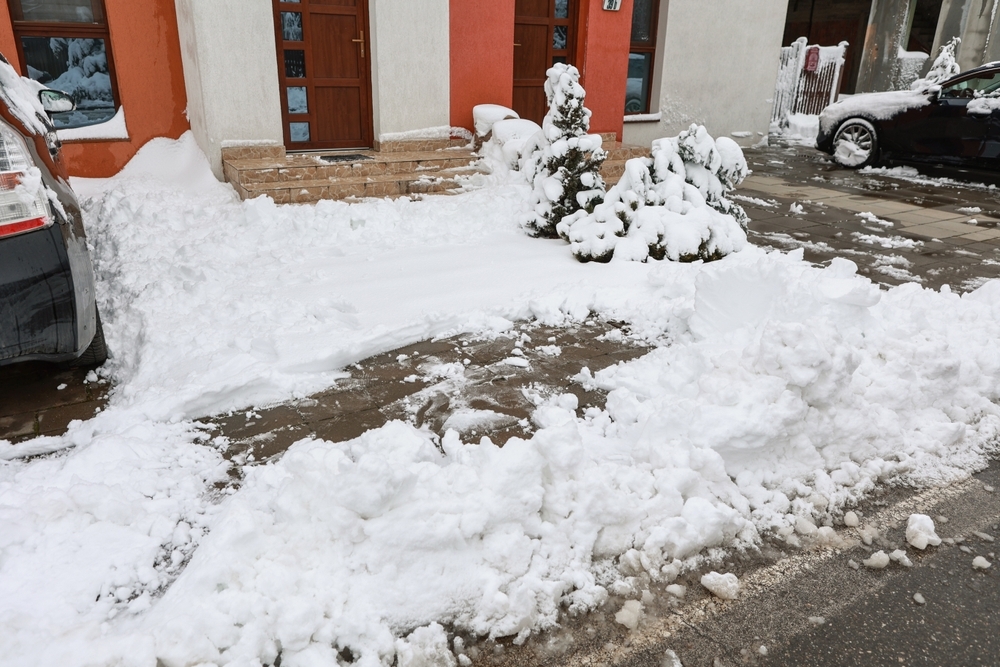
Under this doctrine, a property owner is not required to clear snow and ice the moment it starts falling. Instead, a plaintiff must prove that the snow and ice had accumulated in hills and ridges that were of such a size and character as to be a danger to pedestrians. The doctrine essentially provides a grace period for property owners during active weather events. That said, this protection is not absolute. As your legal advocates, we look for the specific conditions that move a case from an unavoidable accident to a clear case of negligence.
The Three Requirements for a Successful Claim
To overcome the Hills and Ridges defense and hold a property owner responsible for a winter slip and fall, we must typically prove three specific elements. These requirements ensure that the law remains fair to both the property owner and the victim.
- Dangerous Accumulation: First, we must show that the snow and ice had accumulated in elevations that were hills and ridges of a size and character to unreasonably obstruct travel and constitute a danger to those using the walk. A thin, smooth layer of ice is often not enough to trigger liability under this specific doctrine. The law looks for jagged, uneven surfaces that were allowed to remain and freeze into dangerous obstacles.
- Notice of Condition: Second, we must prove that the property owner had actual or constructive notice of the condition. This means the owner either knew about the dangerous ice or should have known about it because it had been there for a significant amount of time. If a storm ended three days ago and the ridges of ice are still present, the owner can be held liable because they had ample time to remedy the situation.
- Causation: Third, we must demonstrate that it was the accumulation of these hills and ridges that caused your fall. This requires a direct link between the property owner’s failure to clear the area and the specific injuries you sustained.
When the Hills and Ridges Doctrine Does Not Apply
One of the most important parts of our job at Tarasi & Tarasi is identifying when this doctrine can be bypassed. There are several critical exceptions where a property owner can be held liable even if the specific hills and ridges criteria are not fully met.
The most common exception involves localized patches of ice. If the rest of the neighborhood’s sidewalks are clear and dry, but one specific property has a dangerous patch of ice, the doctrine may not apply. This is intended to protect owners during generally slippery conditions across the region. If the hazard is an isolated incident on an otherwise clear day, the owner may be held to a higher standard of care.
Another major exception is the artificial condition rule. If the ice was caused by a human made defect, such as a leaking pipe, a clogged gutter, or a poorly designed drainage system that funnels water onto a walkway, the property owner cannot hide behind the Hills and Ridges doctrine. In these cases, the ice is not a natural accumulation of weather; it is a result of property neglect. Our deep experience in real estate litigation allows us to identify these structural issues and code violations that often lead to personal injury claims.
Why the Grace Period Matters
Many people ask us how long a property owner has to clear their snow. While local Pittsburgh ordinances often require sidewalks to be cleared within 24 hours of a storm, the civil legal standard is based on reasonableness. The Hills and Ridges doctrine acknowledges that it is unreasonable to expect a landlord to shovel in the middle of a blizzard.
That being said, once the storm has ceased, the clock begins to tick. If you fall on ice that has been neglected for days after the last snowflake fell, the grace period has long since expired. We work with forensic meteorologists to determine exactly when the precipitation stopped in your specific ZIP code. This data is vital in proving that the property owner had a reasonable window of time to make the premises safe but chose not to do so.
The Complexity of Business vs. Residential Property
The type of property where you fell also plays a role in how we approach your case. Business owners in Pennsylvania owe the highest duty of care to their invitees, who are customers or clients. A grocery store or a shopping mall in Allegheny County is expected to be proactive in maintaining their parking lots and entryways.
While the Hills and Ridges doctrine still applies to commercial properties, the expectations for maintenance are often higher. Businesses that invite the public onto their land have a professional responsibility to monitor weather forecasts and apply salt or sand as needed. When they fail to do so, and a customer suffers a serious injury, we are prepared to hold those commercial entities accountable for their lack of oversight.
Evidence is Critical in Winter Slip and Fall Cases
The biggest challenge in a winter slip and fall case is the changing nature of the evidence. Ice melts and snow plows move, meaning what was a dangerous ridge of ice at 8:00 AM might be a puddle of water by noon. This is why immediate action and professional documentation are necessary.
As an experienced Pittsburgh slip & fall lawyer, we take the burden of evidence collection off your shoulders. At Tarasi & Tarasi, we do not just wait for the insurance company to call. We investigate the maintenance records of the property, seek out surveillance footage from nearby businesses, and look for previous complaints about the location.
If you are physically able, we recommend taking photographs of the ice from multiple angles immediately after the fall to capture the height and jagged nature of the ridges. If there are no photos, property owners often claim the sidewalk was perfectly clear. We also secure statements from witnesses who can testify that the ice had been there for several days. We work to ensure that all digital and physical evidence is preserved before it disappears with the spring thaw.
The Role of Comparative Negligence
In Pennsylvania, insurance companies often try to blame the victim for their own fall. They may argue that you should have seen the ice or that you were wearing improper footwear. This is known as comparative negligence. Under Pennsylvania law, you can still recover compensation as long as you are not more than 50 percent at fault for the accident.
A dedicated Pittsburgh personal injury lawyer knows that living in Pittsburgh means we all have to walk on snow sometimes. Just because you were walking outside in the winter does not mean you assumed the risk of falling on a property owner’s neglected, ice covered sidewalk. We focus on the property owner’s primary responsibility to maintain a safe environment for everyone.
Why Choose Tarasi & Tarasi for Your Injury Claim?
Personal injury cases involving winter weather require a deep understanding of local geography and state specific case law. At Tarasi & Tarasi P.C., led by attorney Beth M. Tarasi, we have spent years representing the people of Western Pennsylvania. We understand the specific challenges of our region, from the steep inclines of our neighborhoods to the unique weather patterns that cause flash freezing on our bridges and walkways.
We do not treat our clients like just another file number. We understand that a slip and fall is not a minor incident; it can lead to surgeries, months of physical therapy, and lost wages that put your family’s financial future at risk. Our approach combines aggressive advocacy with a compassionate understanding of what you are going through. We are not afraid to take on large insurance companies or powerful property developers to ensure you receive the full compensation you deserve.
The Impact of Your Injuries
A fall on hills and ridges of ice is often much more violent than a slip on a flat surface. These uneven elevations can cause your foot to catch and your body to twist, leading to complex fractures, torn ligaments, or spinal cord injuries. The medical costs associated with these injuries are staggering. Beyond the immediate hospital bills, there is the cost of follow up care, prescriptions, and the intangible toll of pain and suffering.
Our goal is to ensure that your settlement or verdict reflects the true cost of your injury. This includes not just your current bills, but also the future medical needs you may have as a result of the fall. We work closely with medical experts to document the full extent of your damages so that nothing is left off the table.
Contact Tarasi & Tarasi Today for a Consultation About Your Case
If you or a loved one has been injured in a winter slip and fall accident in Pittsburgh or the surrounding counties, do not wait for the evidence to melt away. The Hills and Ridges doctrine is a complex legal hurdle, but it is one that we are prepared to clear. You deserve a legal team that understands the nuances of Pennsylvania premises liability law and has the resources to fight for your rights.
We offer free consultations to help you understand your options and determine if you have a viable claim. Our firm operates on a contingency fee basis, which means you do not pay us anything unless we successfully recover compensation for you. We are committed to providing the residents of Western Pennsylvania with the high quality legal representation they need during their most difficult times.
Contact us today at 412-883-8904 or through our website to schedule your consultation. Let us put our experience and our passion for justice to work for you. We will handle the legal complexities so that you can focus on your recovery and getting your life back on track.
Disclaimer: The articles on this blog are for informative purposes only and are no substitute for legal advice or an attorney-client relationship. If you are seeking legal advice, please contact our law firm directly.