

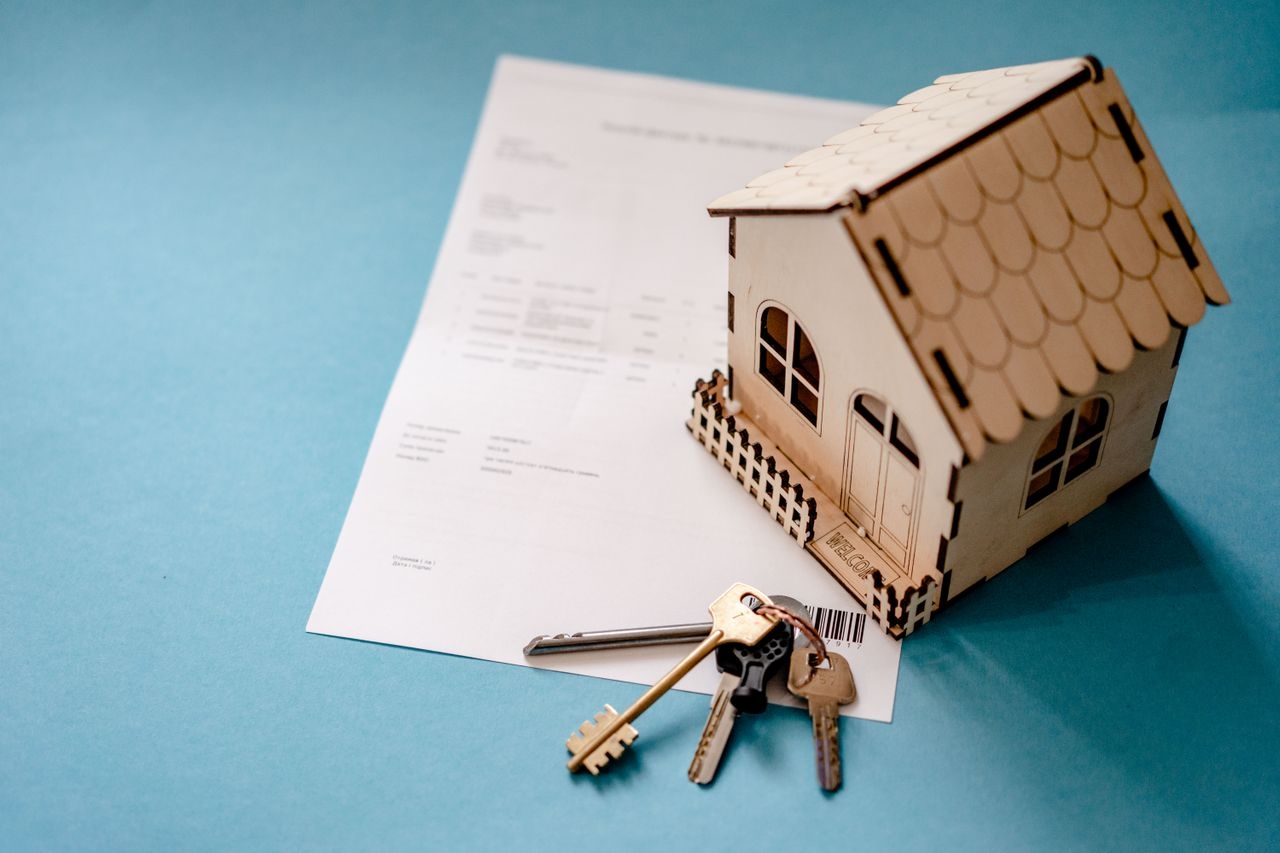
You open a letter about your property, check the county records, or learn about a title issue and see something you never expected: a deed has been recorded transferring your property to someone else.
You did not sell the property. You did not sign a deed. You did not authorize anyone to transfer ownership.
Now you are wondering how this could happen and, more importantly, whether the document means someone else legally owns your home.
For Pittsburgh-area property owners, that concern is especially timely. In August 2026, Allegheny County announced that officials had confirmed fraudulent deeds involving dozens of residential properties in the Pittsburgh area. The county's Solicitor's Office obtained court orders voiding the fraudulent deed transfers and reverting the affected properties to their original owners.
A deed appearing in the public record does not necessarily mean the transfer is legally valid. But a fraudulent or unauthorized deed can create serious problems with your property’s title, interfere with a future sale or refinance, and create questions about liens or later transactions if the problem is not addressed.
How Can Someone Record a Fraudulent Deed?
A deed is one of the documents used to transfer an interest in real estate. In Allegheny County, deeds and certain other real-estate documents are recorded through the county's Division of Real Estate and become part of the public record. The county also maintains a process for reporting suspected deed or mortgage fraud.
Fraud can take different forms.
Someone may forge an owner's signature. A document may falsely claim that the owner authorized a transfer. A person may misuse identifying information or submit paperwork purporting to transfer property that the signer had no authority to convey.
The fact that a document was accepted for recording does not necessarily resolve whether the underlying transfer was valid.
That distinction is important. Recording systems preserve real-estate documents, but a dispute over whether a deed was forged, unauthorized, or otherwise invalid can require investigation and, in some circumstances, court action.
What Should You Do if You Discover a Deed You Did Not Sign?
The first step is to confirm exactly what was recorded.
Obtain a copy of the deed and review the information it contains. Who is listed as transferring the property? Who supposedly received it? When was the document signed and recorded? Who notarized it? Does the signature resemble yours? Does the deed describe a payment or another basis for the transfer?
You should also preserve your own ownership records, including prior deeds, settlement documents, mortgage records, tax records, identification, correspondence, and other documents connecting you to the property.
If a suspicious letter, email, tax notice, loan document, or other communication led you to discover the transfer, save that as well.
These records can help establish what your property's title looked like before the disputed deed appeared, when the purported transfer occurred, and whether anything happened afterward based on that deed.
Timing can also matter. Pennsylvania courts can consider equitable defenses such as laches when a party delays pursuing a property claim, and that delay prejudices others. That does not mean every delay prevents a property owner from challenging an unauthorized deed, but it is another reason to investigate a disputed transfer promptly once you discover it.
Can a Court Void a Fraudulent Deed and Correct the Property Title?
I am Beth Tarasi of Tarasi & Tarasi P.C., and I handle real-estate disputes involving deeds, title, ownership, and other property-rights issues in Pittsburgh and throughout Western Pennsylvania. When someone discovers a deed they did not sign or authorize, one of the first things I look at is what was actually recorded, how the purported transfer occurred, and whether anything has happened with the property since then.
Depending on the circumstances, litigation can be necessary to determine whether the disputed deed is valid and establish who holds legal title.
Pennsylvania's rules governing actions to quiet title allow a property owner to ask a court to determine rights, liens, title, or other interests in real property and the validity of a deed or other document affecting those interests. If the court grants relief, it may determine that a deed is invalid or cancelled and direct the recording or other action needed to make that judgment effective.
A quiet-title action is not simply a request to correct a clerical mistake.
When ownership is disputed, the evidence surrounding the purported transfer can become critical in determining whether the deed was authorized and what happened afterward. The appropriate legal remedy depends on how the deed was created, what has been recorded, and whether anyone has taken further action based on the disputed transfer.
Why Does a Fraudulent Deed Matter if You Still Live in the Home?
You may be thinking: I still have the keys. I still pay the mortgage and taxes. Why does a piece of paper filed with the county matter?
The answer is that real-estate ownership affects much more than who physically occupies the property.
A disputed deed can interfere with a future sale or refinance. It can create confusion during a title search. There can also be concerns about whether someone will attempt to use the apparent ownership interest in another transaction or try to place a lien or other claim against the property.
That is one reason the recent Allegheny County matter was treated seriously. According to the county, officials sought immediate injunctive relief to prevent the fraudulent deeds from being used for liens or additional transactions while the issue was addressed.
What happens next depends on what was recorded and whether anyone has already taken further action based on the disputed deed.
What Evidence Matters in a Deed-Fraud Dispute?
In a deed dispute, the documents often tell the story.
If you say, “I never signed that deed,” the investigation does not end with that statement. The next question is what the records show.
Important evidence can include:
- Your property's recorded chain of title
- Copies of the disputed deed
- Signature and notarization information
- Mortgage and tax records
- Communications concerning the property
- Identification and other records relevant to the purported transfer
- Evidence concerning when and how the document was supposedly signed
- Records of any attempted sale, financing, lien, or other transaction involving the disputed deed
Other evidence can become important depending on how the document was created, recorded, and later used.
The goal is not simply to show that something looks suspicious. It is to establish what happened to the title, whether the purported transfer was authorized, and what legal action is necessary to protect the owner's rights and address the disputed deed.
Can You Report Suspected Deed Fraud in Allegheny County?
Yes. Allegheny County provides a process for reporting suspected deed or mortgage fraud through its Division of Real Estate. The county also offers a Property Fraud Alert service that can notify you when a land-records document is recorded under a requested name.
Reporting suspected fraud can be an important step, but it is different from determining what legal action is necessary to resolve an existing title problem.
The county's intervention in the recently announced Pittsburgh-area cases was significant, but property owners should not assume that every disputed deed will automatically be corrected through the same process. Resolving an existing dispute over ownership or title may require separate legal action.
If a deed affecting your property has already been recorded without your authorization, reviewing the deed and the resulting title issue can help determine what needs to happen next.
Talk to Tarasi & Tarasi About a Pittsburgh Deed Dispute
Discovering that someone recorded a deed involving your property can leave you wondering whether your home, investment, or financial security is suddenly at risk.
When I review a suspected fraudulent deed matter, I look at the recorded documents, the property's chain of title, the circumstances surrounding the purported transfer, any later liens or transactions, and the evidence available to establish who actually owns the property.
If you discovered a deed you did not sign or authorize, contact Tarasi & Tarasi P.C. to discuss what was recorded and what legal options are available based on the circumstances.
Disclaimer: The articles on this blog are for informational purposes only and are no substitute for legal advice or an attorney-client relationship. If you are seeking legal advice about your specific situation, please contact our law firm directly.